
احصل على العديد من التصاميم لمشروعك. اختر التصميم الذي تحبه.
يقدم معماريون ومصممون حقيقيون من جميع أنحاء العالم تصاميم لمشروعك، من $250. تقدير مجاني، دون التزام.
يقيّم العملاء تصاميمهم الفائزة بـ 4.5 من 5 (890+ تقييم) إلغاء مجاني فى خلال 24 ساعة من الاطلاق! آلية العمل هل أنت مصمم؟ استكشف المسابقات →
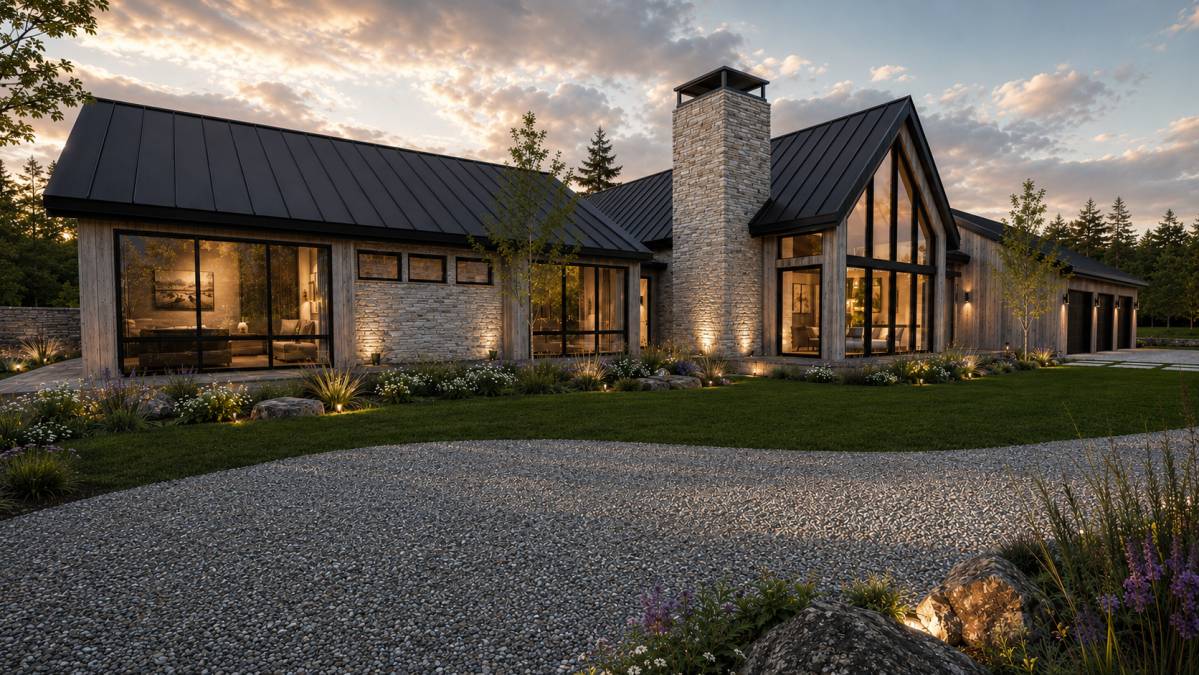 الجائزة الأولى
تنسيق المواقع · لصق منافسة
التصاميم الخارجية DR
اغسطس 12, 2026 الولايات المتحدة الامريكية 63 تصاميم
 الجائزة الأولى:
Shahab Mes
-
7.5فكرة
-
9.2الجمال
-
8.4العلاقة
-
8.3القابلية للبناء
-
8.3جرافيك
-
8.3المتوسط
صوّت على المشروع!
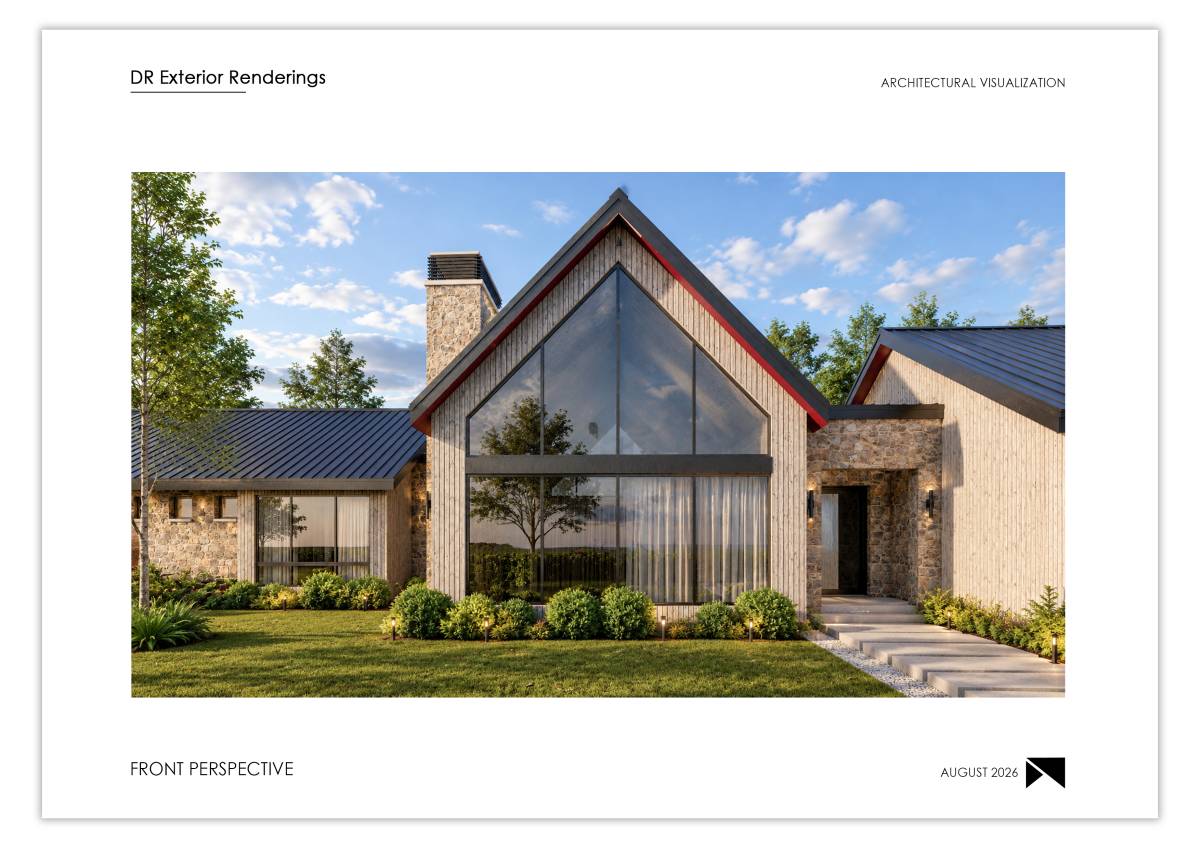
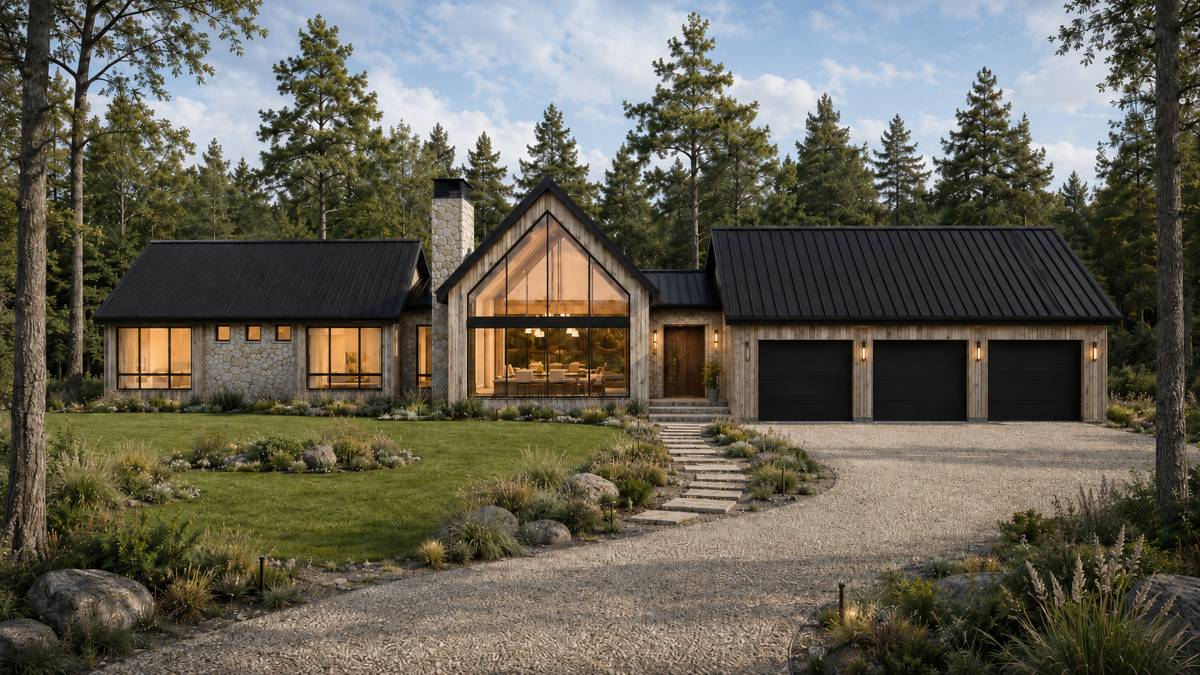
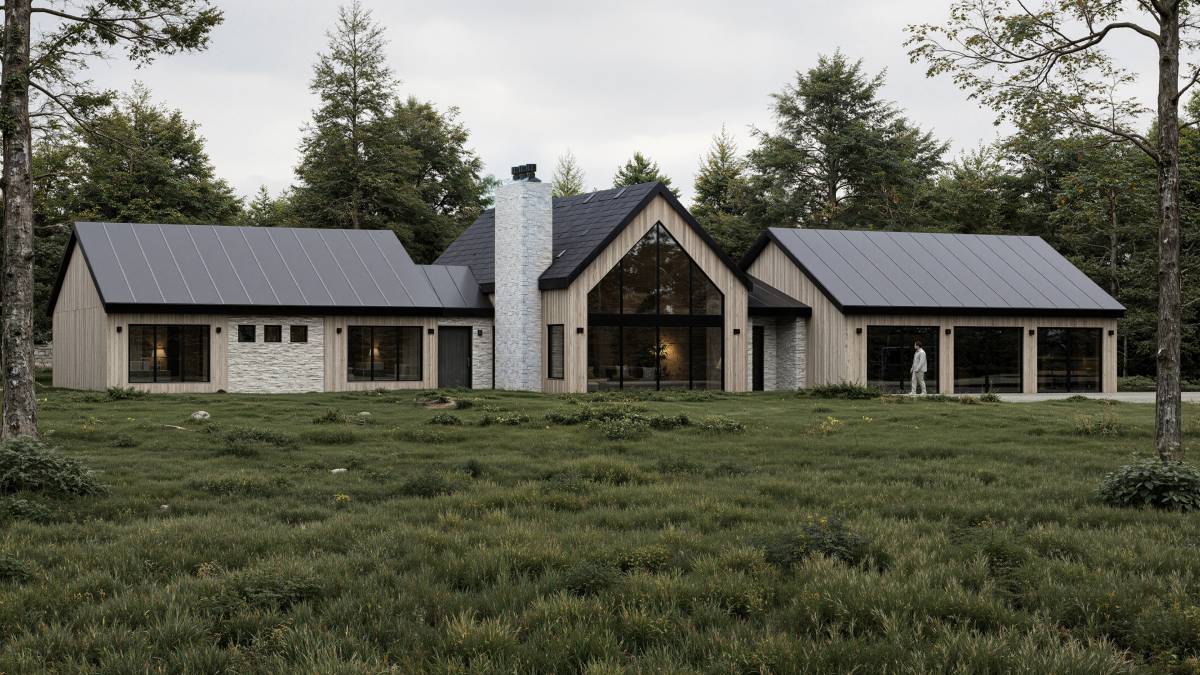
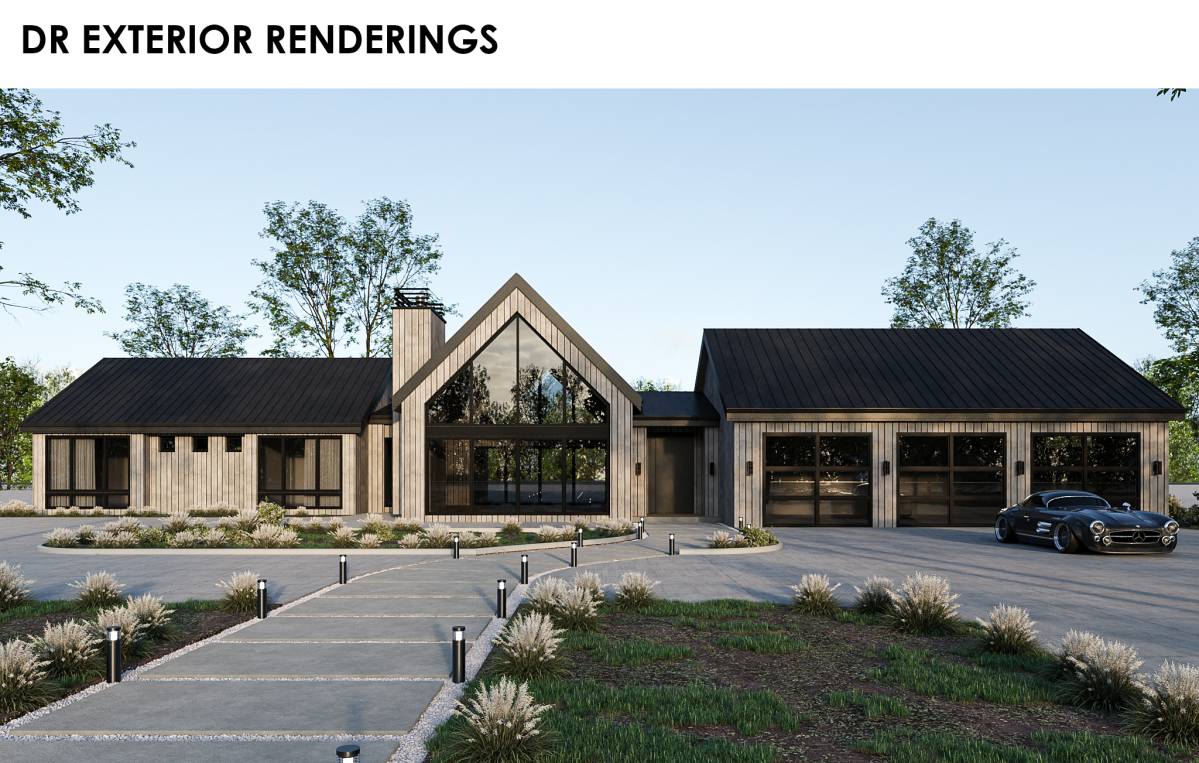
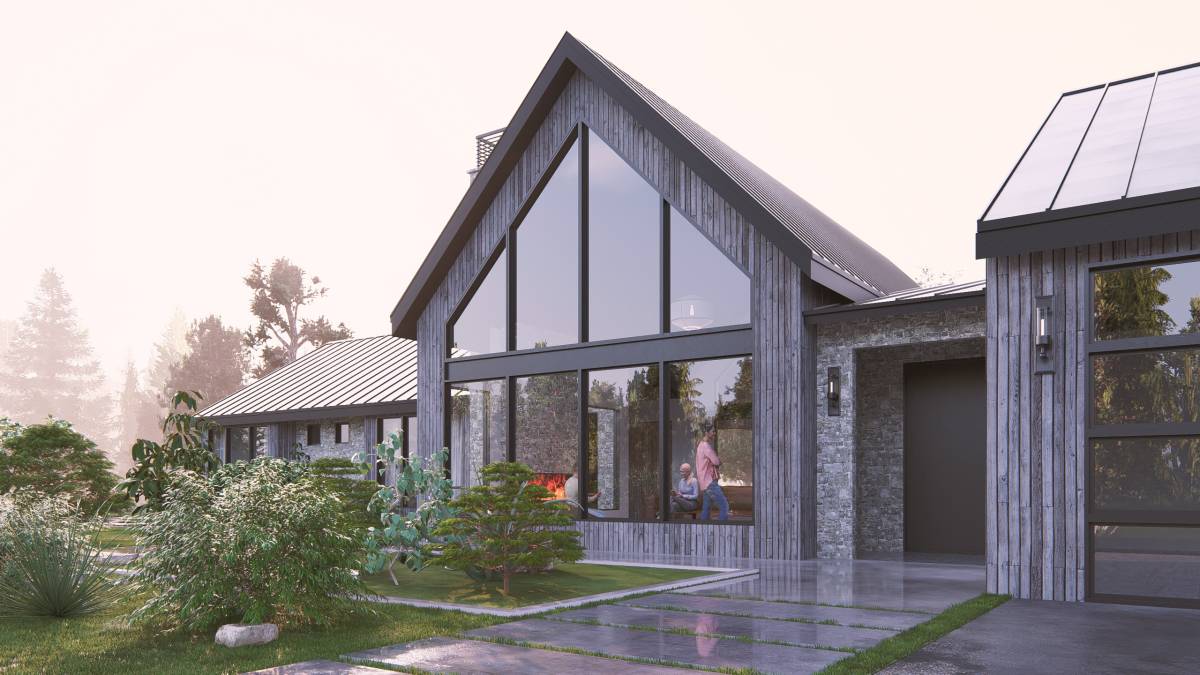
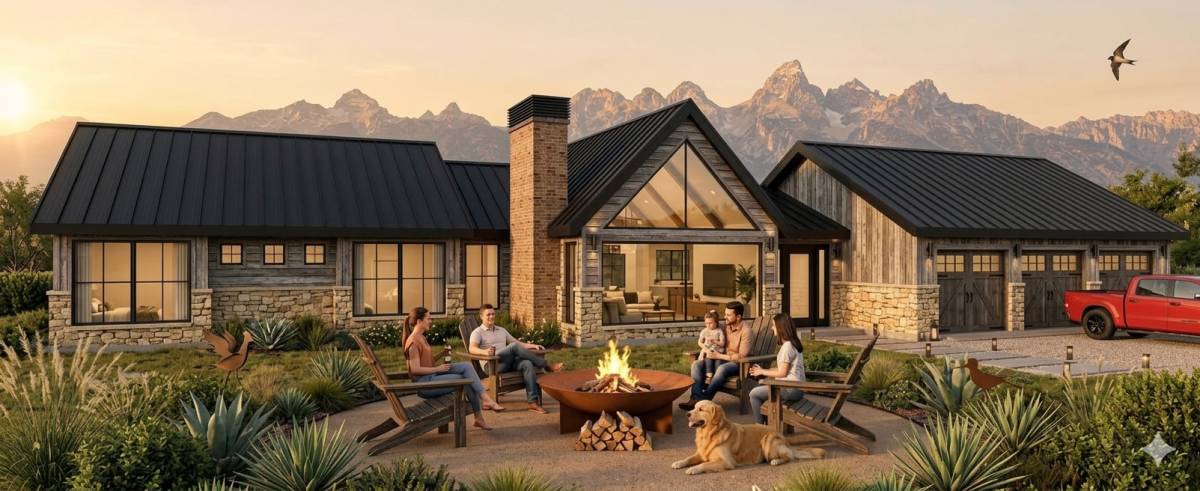
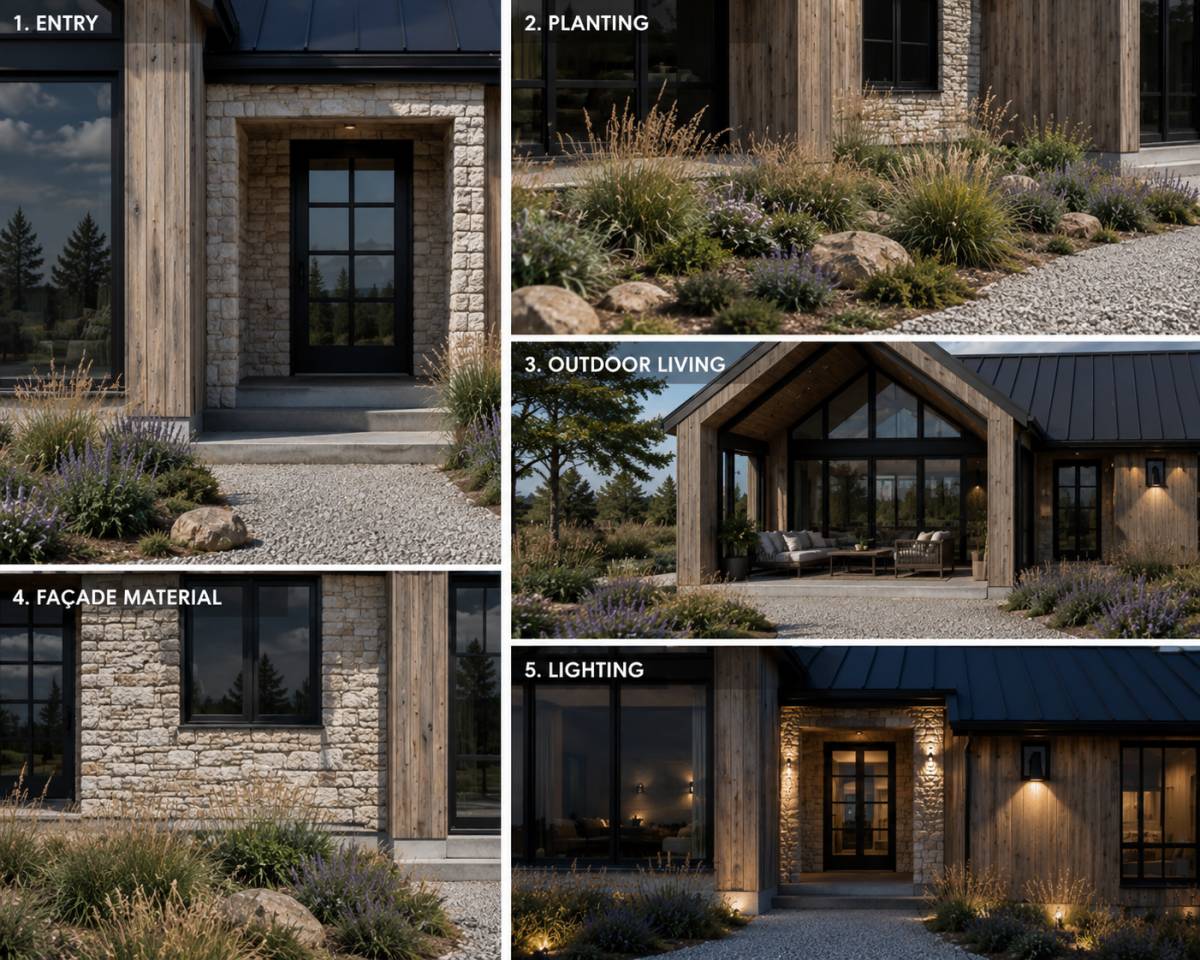

الوصف
الاهداف
المراجع
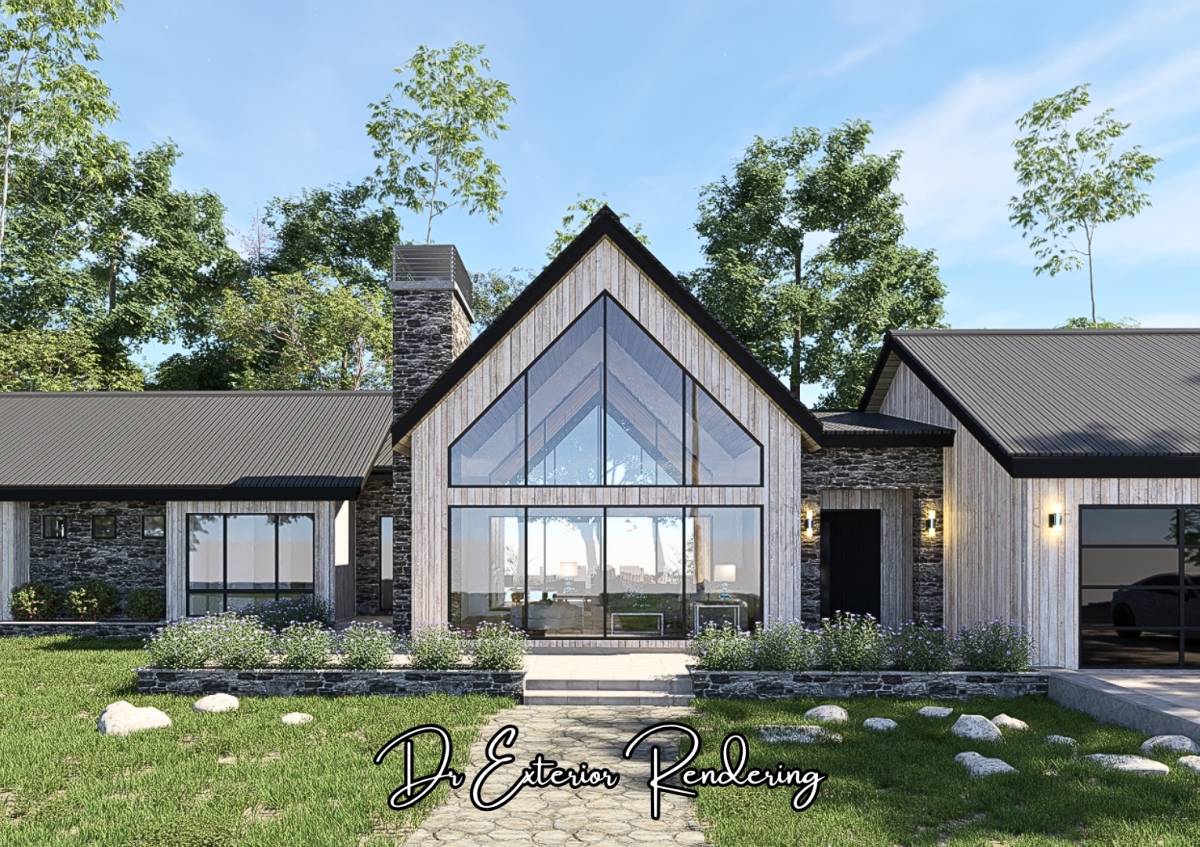
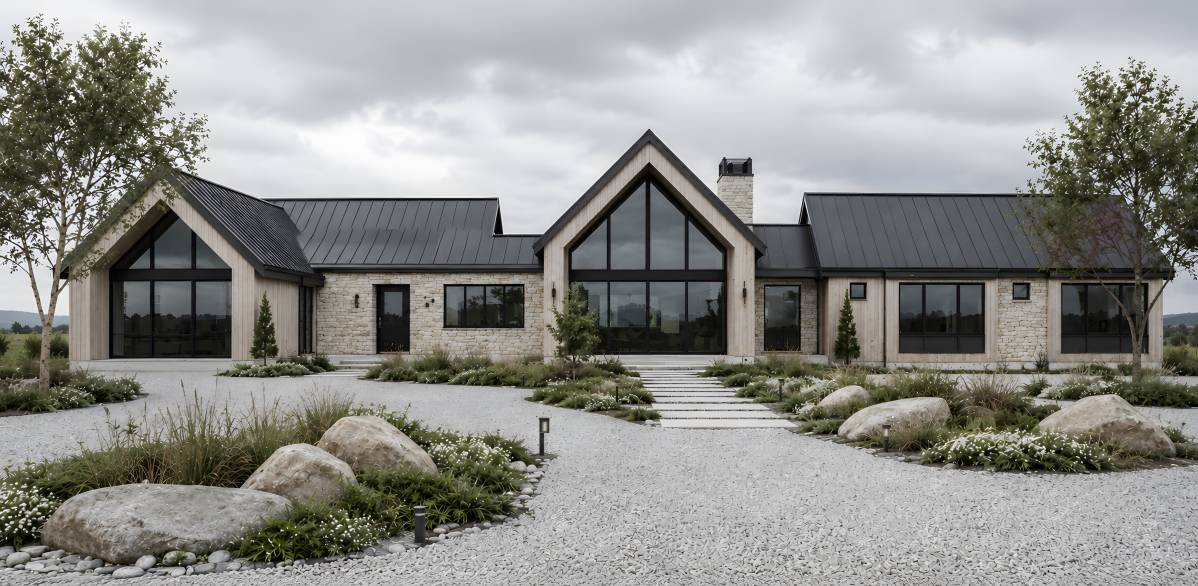
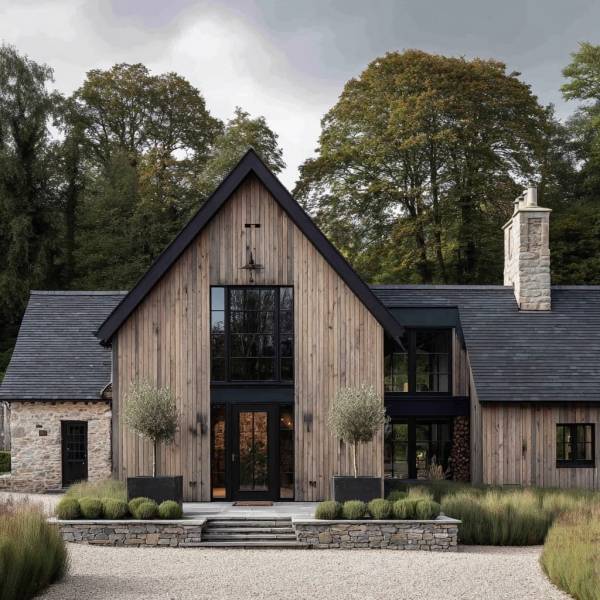
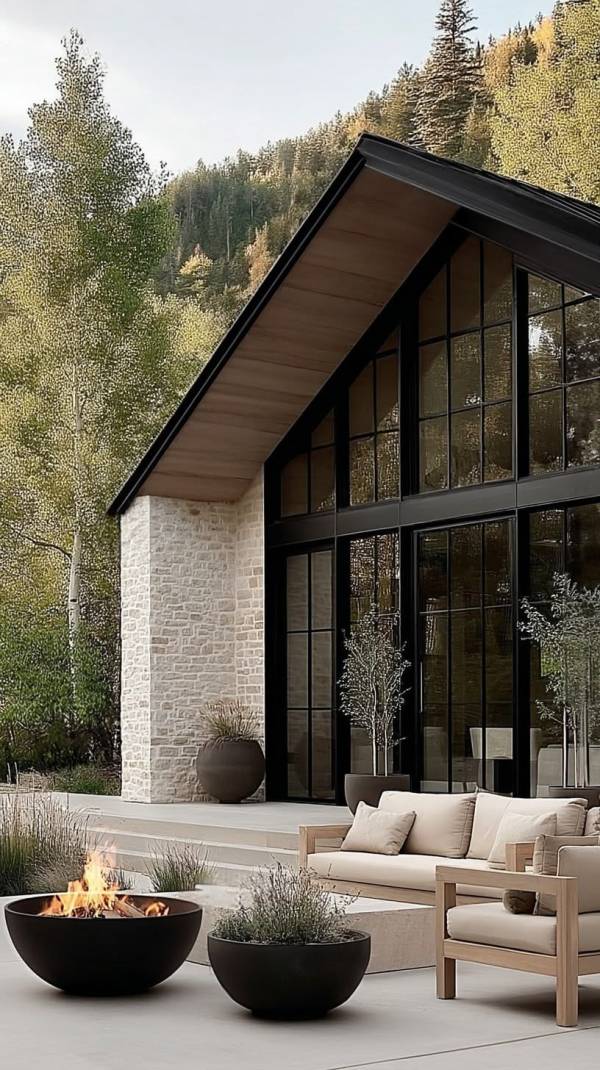
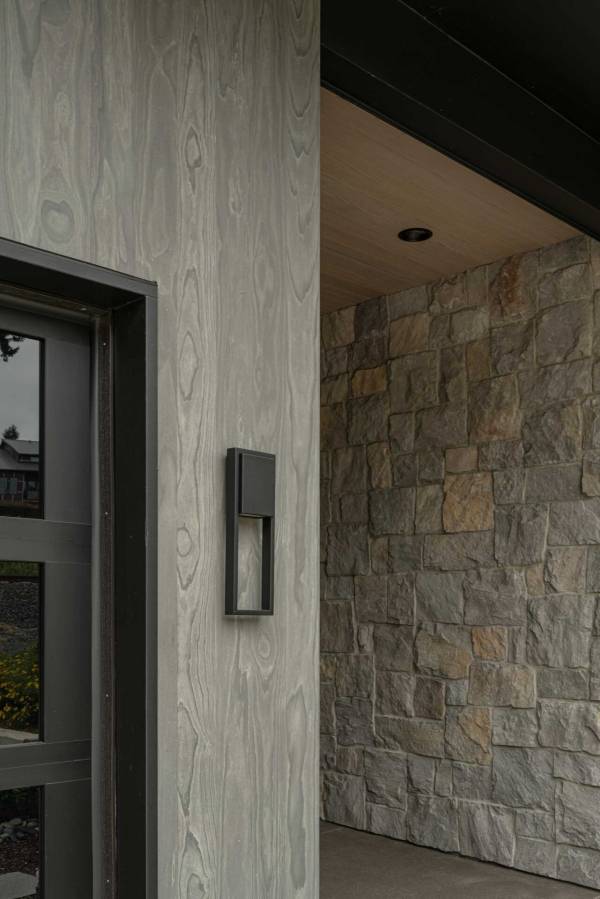
Modern Ranch feel with wood, Metal and Stone
تقديم المصممين
Arc 838 Arc 478 Arc 622 Arc 538 Arc 298 Arc 291 Arc 360 Arc 753 Arc 822 Arc 382 Arc 784 Arc 483 Arc 993 Arc 123 Arc 930 Arc 462 Arc 234 Arc 970 Arc 924 Arc 957 Arc 741 Arc 599 Arc 103 Arc 363 Arc 58 Arc 60 Arc 67 Arc 378 Arc 774 Arc 142 Arc 889 Arc 869 Arc 629 Arc 818 Arc 98 Arc 840 Arc 511 Arc 559 Arc 592 Arc 26 Arc 811 Arc 201 Arc 235 Arc 425 Arc 162 Arc 64 Arc 118 Arc 830 Arc 33 Arc 759 Arc 396 Arc 95 Arc 635 Arc 421 Arc 613 Arc 925 Arc 303 Arc 469 Arc 568 Arc 29 Arc 203 Arc 46 Arc 226Hello everyone,
First of all, I apologize for posting something that is not directly related to this competition. However, I believe this is an issue that concerns many designers who participate in Arcbazar competitions, and I would like to raise it openly and respectfully.
I am writing regarding the recently completed “Mount Whitsunday” competition and, specifically, the first- and second-place awards.
To be completely clear: I am not the designer who placed third, and I am not writing this simply because I disagree with the result. My concern would be the same regardless of my own ranking.
I fully understand that architectural quality and design preference are subjective, and that the client has the right to choose the design they prefer.
My concern is different: whether the awarded submissions actually fulfilled the clearly stated project requirements and accurately responded to the existing building conditions.
1. First-place submission – Shahab Mes
There are several aspects of the first-place submission that I believe require serious clarification.
Existing conditions and project requirements:
• The Upstairs Bar renderings also do not appear to reflect the actual existing conditions shown in the project documentation.
• In the dressing room, an area with existing full-height glazing appears to be represented as though it were a solid/closed wall. Again, this does not appear to reflect the actual building condition.
• In the master bedroom, the existing long wall with full-height glazing appears to have been disregarded and represented as a solid wall. This does not accurately reflect the existing building condition identified in the project documentation.
• The entrance curved wall and powder room are not shown or addressed at all in the submitted design.
• In the Alfresco, the submission appears to replace an existing glazed condition with a bar element, despite the client clearly identifying the existing glazing as a fixed condition.
• The client also specifically requested the names and suppliers of the furniture and material selections. This information does not appear to have been provided in the submission.
Presentation and completeness:
Many of the spaces are presented through single-angle AI-generated renderings, with no alternative views showing the spaces from other angles.
The issue here is not simply the use of AI. The problem is that when a space is shown only from a single generated viewpoint, without additional views, it becomes difficult to verify whether the space has actually been designed and resolved beyond what is visible in that one image.
Considering the number of spaces presented this way, I believe this raises a serious question regarding the completeness and verifiability of the submission, particularly for a first-place award.
2. Second-place submission – Maximo Jesus Arevalo Asto
The second-place submission raises an even more straightforward concern.
Several areas that were clearly part of the requested scope appear not to have been designed, including:
• Entrance curved wall
• Powder room
• Dressing room
• Bathroom
• Laundry
• Garage door design
In addition, the client specifically requested the names and suppliers of the furniture and material selections, yet this information does not appear to have been provided in the submission.
More importantly, some of the above omissions appear to be acknowledged by the designer in the project's own description.
This leads to a very simple question:
If these areas and deliverables were part of the client's requested scope, how was a submission that explicitly omitted significant portions of that scope considered eligible for second place?
Again, I am not arguing that a particular design should have won simply because someone considers it aesthetically better.
I am asking whether there is a minimum standard of scope compliance and submission completeness that a design must meet before it can receive an award.
What I am asking from Arcbazar
I have already contacted the Arcbazar team directly and requested clarification.
I would like to ask the same questions publicly because I believe they are relevant to the wider designer community:
1. If a submission explicitly acknowledges that certain requested areas were not designed, what criteria allow that submission to receive an award?
2. How were the first- and second-place submissions in the Mount Whitsunday competition evaluated against the client's stated requirements?
I have attached/shared screenshots documenting the relevant client requirements, existing conditions, and the corresponding elements shown in the awarded submissions. I am doing this intentionally so that the discussion can be based on specific and verifiable information rather than simply on personal opinions about the designs.
A broader concern
I am not presenting this as proof of wrongdoing or favoritism, because I do not have evidence to make such a claim.
However, when situations like this occur, it naturally raises questions about whether submission completeness and compliance with the brief are being evaluated consistently.
Many designers invest substantial amounts of professional time, expertise and sometimes weeks of work into these competitions.
I completely respect the client's right to choose according to their own aesthetic preferences.
What I am asking for is transparency regarding the minimum requirements that an awarded submission is expected to satisfy.
To other designers
If you have experienced similar situations on Arcbazar, I would genuinely like to hear about them.
Rather than simply saying that a result was “unfair,” I think we should focus on documentable examples: the client brief, the stated requirements, the submitted design, and the specific discrepancy.
If multiple designers have experienced similar issues, perhaps this can lead to a constructive discussion about improving the competition system.
I am not interested in attacking individual designers or making accusations without evidence.
I am asking for transparency, consistency and a clear standard for what constitutes an eligible competition submission.
I hope Arcbazar will address these questions openly.
Because ultimately, this is not only about the Mount Whitsunday competition or about one prize.
It is about the trust that designers place in a platform when they invest their time, professional expertise and creativity into its competitions.
In particular, the first-place submission gives the impression of relying heavily on AI-generated imagery. AI can certainly be a useful tool within the design process, but generating visually impressive images without accurately respecting the existing building dimensions, glazing, fixed architectural elements and functional requirements is not the same as developing a real interior design project.
Other designers spend a significant amount of professional time carefully modelling the existing building, studying the drawings, resolving spaces according to actual dimensions, checking whether furniture can realistically fit, developing the project from multiple viewpoints and making sure that all spaces work together consistently. When AI-generated images that do not accurately correspond to the physical building conditions are evaluated at the same level — or even placed above such work — it creates a serious sense of unfairness toward designers who invested substantially more time and professional effort.
The issue is also not simply the use of AI itself. When existing glazed areas are represented as solid walls, when fixed architectural conditions appear to be altered, when some spaces seem functionally questionable and when rooms are presented from only a single viewpoint, it becomes difficult to determine whether the design has actually been resolved beyond the generated image. Producing one visually attractive image of a space is very different from genuinely designing that space through planning, dimensions, circulation, ergonomics, furniture, materials and construction details.
I also find it concerning that several areas appear to contain large plain walls and floor surfaces with very little design development or detailing. For a project presented as a high-end luxury interior, this can appear surprisingly basic and unresolved. A strong interior design project is not simply a beautiful render. Material transitions, junctions, lighting, furniture integration, ergonomics, detailing and the relationship with the existing architecture are all fundamental parts of the design.
AI can be an extremely powerful tool for designers and can help accelerate ideation and visualization. However, if AI-generated imagery that does not accurately correspond to the existing building is allowed to outrank projects in which designers have carefully modelled the architecture, resolved every requested area and invested days or weeks of professional work, I do not believe that creates a fair competition environment.
For this reason, I strongly agree with the central question being raised here: Is a visually impressive presentation alone sufficient for a project to receive an award, or are there minimum requirements concerning completion of the brief, respect for existing architectural conditions and demonstration that the proposed design is actually functional and buildable?
If these minimum standards are not clearly defined and consistently applied, designers who invest serious effort into modelling, design development and technical resolution will understandably feel disadvantaged.
I believe Arcbazar should establish clearer, measurable and consistently applied criteria regarding AI-generated submissions, compliance with the competition brief and the minimum level of completeness required for an awarded project. Greater transparency on this issue would be extremely important for maintaining designers' trust in the platform.
If this kind of unfairness is actually happening, it means disrespecting everyone here—both those who participated in this competition and those who may participate in future competitions where they could face the same situation—and ultimately wasting their hard work, knowledge, and time.
Please file complaints and do whatever you can to address this. I don't want our hard work, time, and professional knowledge to end up benefiting people within the Arcbazar team or designers who, in my opinion, did not deserve the awards they received.
Those who have experienced or witnessed similar issues and are also concerned about this, please speak up and share your experiences on the other competition walls as well.
Let’s make sure this kind of unfairness does not continue on this platform. It is time for this to stop.
There is an important difference between asking a platform for transparency and using the discussion page of an unrelated competition to publicly identify one or more designers, publish images of their work, and question the legitimacy of their awards.
If there is a genuine concern about judging, eligibility, compliance with the brief, or the final decision, the professional and appropriate route is to raise it directly with Arcbazar support, where the full brief, client communications, submission history, revisions, clarifications, design options, and evaluation process can actually be reviewed.
People who were not the client, were not part of the judging process, and were not involved in the development of the project naturally do not have access to every revision, design decision, alternative, clarification, or piece of client feedback. Drawing definitive conclusions about a project based only on a few selected screenshots can therefore be incomplete and potentially misleading.
Differences between some presentation images also do not automatically mean that a project was not developed or that existing conditions were ignored. In a professional architectural process, different options, layouts, material selections, furniture arrangements, visual studies, and design directions may be explored. What is ultimately presented is also influenced by what the client chooses to see and evaluate.
The same applies to the use of AI.
Using AI to enhance or refine a final architectural visualization does not mean that the project itself was not modeled or designed. Today, many professional workflows combine architectural modeling, conventional rendering, post-production, and AI-assisted visualization.
When used properly, these tools can improve realism, lighting, atmosphere, material representation, furniture styling, and overall presentation quality, while also reducing visualization time and cost for both designers and clients. The relevant issue should be the quality and development of the design itself, not whether every pixel of the final image was produced using one particular traditional method.
It is also important to remember that this is the nature of competitions: some projects win and others are not selected.
Architecture is not based on a mathematical formula alone. It is a combination of engineering, functionality, art, creativity, project requirements, commercial considerations, and client preference.
A designer may strongly believe that their own project was better and still not be selected because the client preferred another direction. This happens to almost every experienced designer at some point, and being able to accept that professionally is also part of participating in design competitions.
For that reason, designers generally benefit far more from investing their time and energy into improving their own work and preparing stronger future submissions than from publicly questioning designers who have already been selected by a client.
The more serious point is this:
Once identifiable designers are named publicly, their project images are reproduced, and statements are made questioning the validity of their awards, the matter is no longer simply a general discussion about the competition system.
Such statements can directly affect the professional reputation of identifiable individuals and should therefore be made with considerably greater care.
Public posts, screenshots, dates, and statements can also be documented and, where necessary, referred to the platform's management or support team for formal review.
So if the real objective is transparency in the competition process, the more appropriate approach would be to remove the names and images of identifiable designers from unrelated competition discussions and continue any concerns directly with Arcbazar.
Requesting transparency is completely reasonable.
Disagreeing with a design is also completely normal.
But publicly identifying individual designers, reproducing their work, and creating doubt about their professional legitimacy or the validity of their awards is a different matter entirely, and the professional consequences of doing so should be considered very carefully.
I would like to kindly bring one point to your attention regarding this competition. Some participants took the time to develop detailed 3D models based on the provided plans and invested considerable effort in the initial modeling process before producing their final high-quality renderings. This required significantly more time, effort, and design work compared to submissions that were generated primarily through AI, without investing substantial time in modeling or developing the project itself.
I sincerely hope you will take this distinction into consideration when evaluating the submissions. There is an important difference between a designer who invests considerable time and effort to develop the project, create the 3D model, and achieve the best possible result, and an image that can be generated through AI with only a few simple clicks.
I would greatly appreciate it if you could consider the amount of design development, modeling effort, and time invested by each participant when selecting the top submissions.
Thank you for your consideration.
Delete confirmation
You are about to delete this post. Are you sure?